

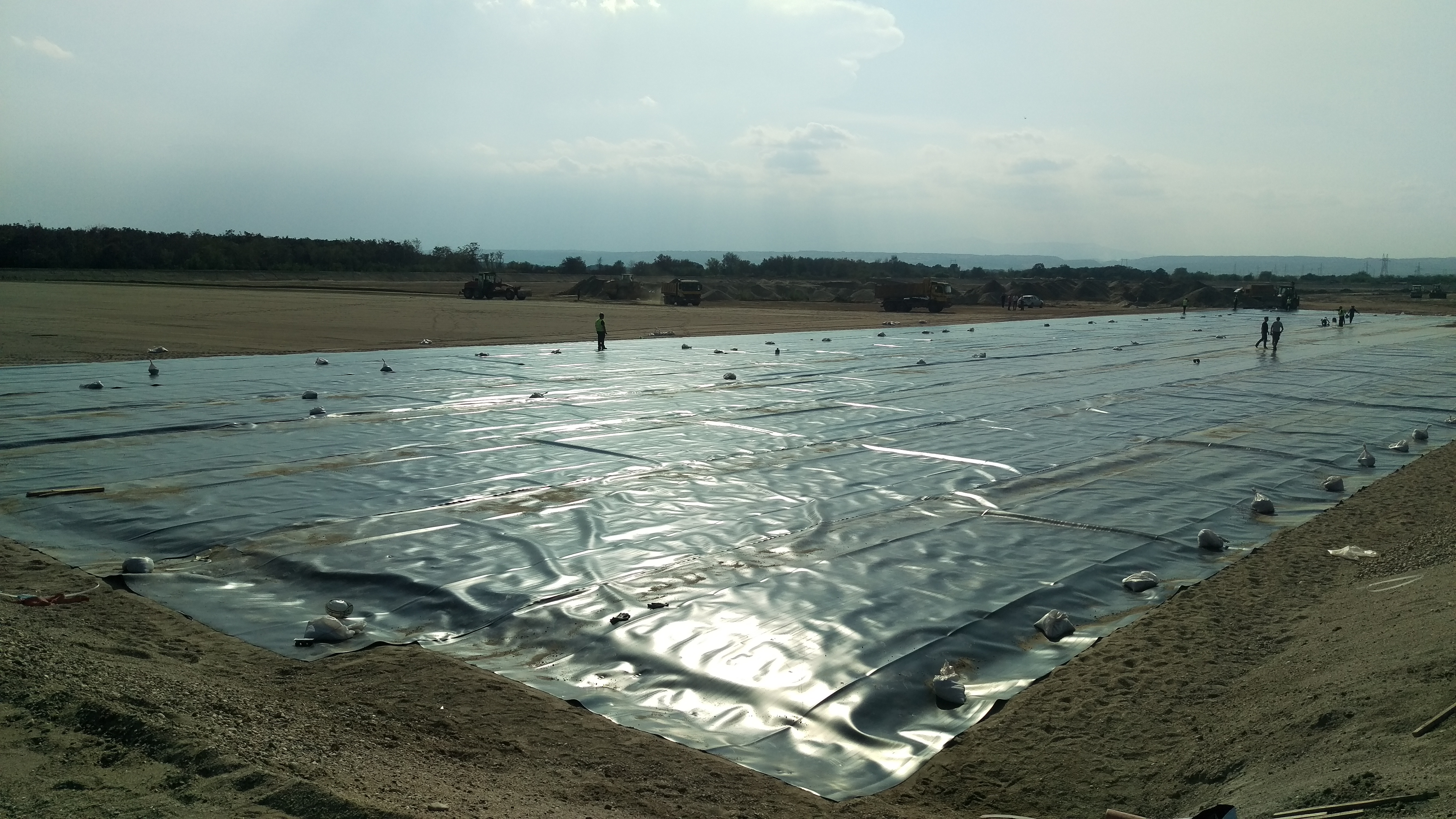

HDPE Geomembrane
HDPE (High-Density Polyethylene) geomembranes are flexible, impermeable membranes made from high-density polyethylene, a type of thermoplastic. They are widely used in environmental, civil, and construction engineering projects as liners to contain liquids or prevent the migration of fluids.
Key Features of HDPE Geomembranes:
- Impermeability: HDPE geomembranes are highly resistant to water and gas leakage, making them ideal for lining applications.
- Chemical Resistance: They are resistant to a wide range of chemicals, including acids, salts, and hydrocarbons, which makes them suitable for hazardous waste containment.
- Durability: HDPE geomembranes are UV-resistant, ensuring long-term durability when exposed to sunlight and harsh environmental conditions.
- High Strength: HDPE has a high tensile strength, allowing the geomembrane to withstand significant stress without breaking or tearing.
- Flexibility: Despite being strong, HDPE geomembranes can be flexible enough to conform to irregular surfaces, ensuring effective coverage.
Common Applications:
- Landfill Liners and Covers: To prevent contaminants from seeping into the ground.
- Pond Liners: Used in agriculture, aquaculture, and decorative ponds.
- Mining: For heap leach pads, tailings dams, and evaporation ponds.
- Canals and Reservoirs: To prevent water loss through seepage.
- Wastewater Treatment Plants: As liners for containment ponds and lagoons.
- Containment of Hazardous Materials: In chemical processing or waste disposal sites.
Overall, HDPE geomembranes are highly effective in providing a reliable, impermeable barrier for a range of environmental and industrial applications.
Geotextile
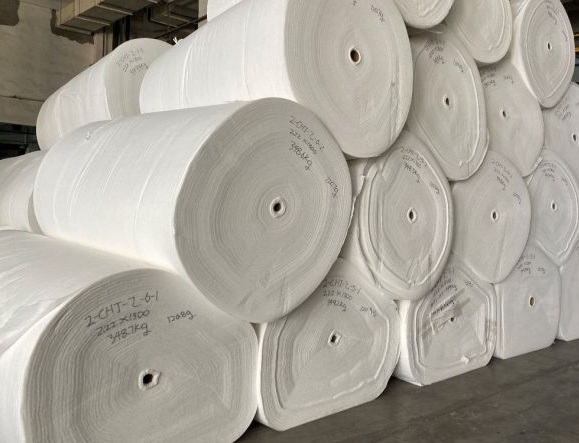
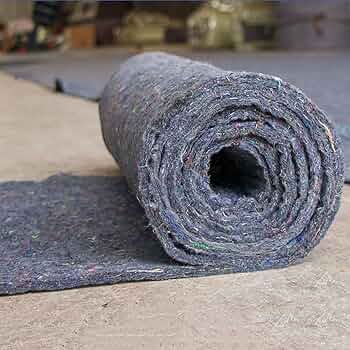
Geotextiles are permeable fabrics made from synthetic or natural fibers, used in various construction and engineering projects to enhance soil stability, control erosion, and improve drainage. They are a vital component in modern civil engineering, particularly in road construction, landfill design, and coastal protection.
Types of Geotextiles:
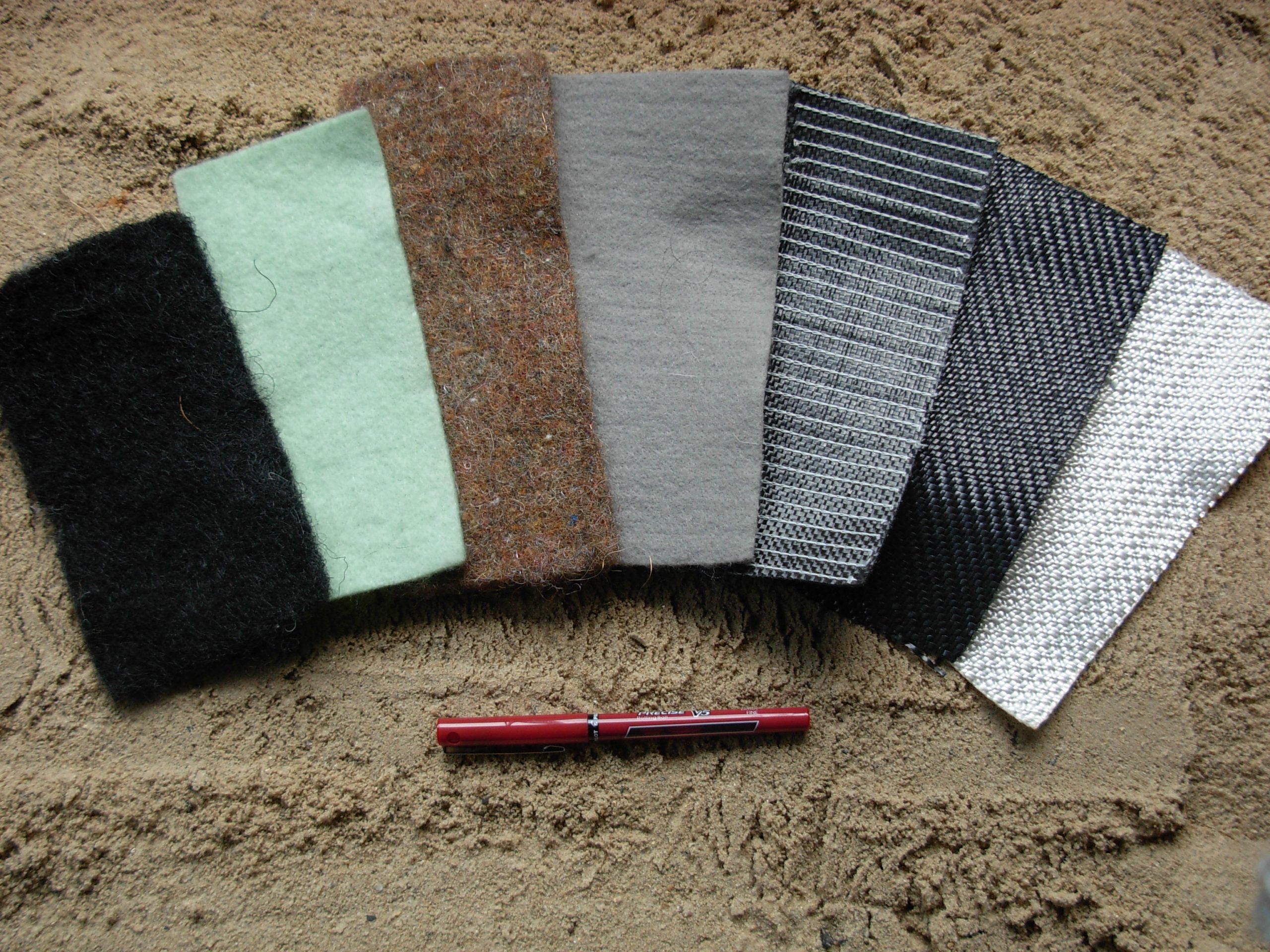
- Woven Geotextiles: Made by weaving fibers together, they are strong and primarily used for reinforcement, providing high tensile strength.
- Non-woven Geotextiles: Manufactured by bonding fibers together through mechanical, chemical, or heat treatment. They are commonly used for filtration, drainage, and separation purposes.
- Knitted Geotextiles: These are made by interlocking fibers through a knitting process and are typically used in specialized applications.
Key Functions:
- Separation: Geotextiles separate different layers of materials, such as soil and aggregates, to maintain structural integrity and prevent the mixing of materials. This is crucial in road and railway construction.
- Reinforcement: They provide additional strength to weak soils, enabling them to support heavier loads. Woven geotextiles are especially effective in this role.
- Filtration: Geotextiles allow water to pass through while preventing soil particles from being washed away. This function is essential in drainage systems and erosion control.
- Drainage: They facilitate the movement of water in various directions, helping to manage groundwater or surface water.
- Protection: Geotextiles can act as protective layers, preventing damage to more fragile materials, such as geomembranes, from punctures or abrasions.
Common Applications:
- Road Construction: Used to separate soil layers and enhance the stability of roads, preventing rutting and cracks.
- Erosion Control: Geotextiles help protect slopes, embankments, and shorelines from erosion by stabilizing the soil and reducing water flow.
- Landfills: They act as protective and filtration layers in landfill liners and caps, controlling leachate movement and preventing contamination.
- Drainage Systems: In sports fields, roads, and retaining walls, geotextiles improve drainage by allowing water to pass while keeping soil in place.
- Coastal and Riverbank Protection: Geotextiles are used in structures like gabions and revetments to prevent soil erosion and protect against water currents.
Advantages:
- Durability: Geotextiles are long-lasting and can withstand harsh environmental conditions.
- Cost-Effective: They reduce the need for additional construction materials and help extend the life of infrastructure.
- Versatility: Geotextiles can be used in a wide variety of applications across multiple industries.
In summary, geotextiles are versatile and essential materials in engineering that contribute to the stability, drainage, and protection of structures built on or around soil.
Geogrid
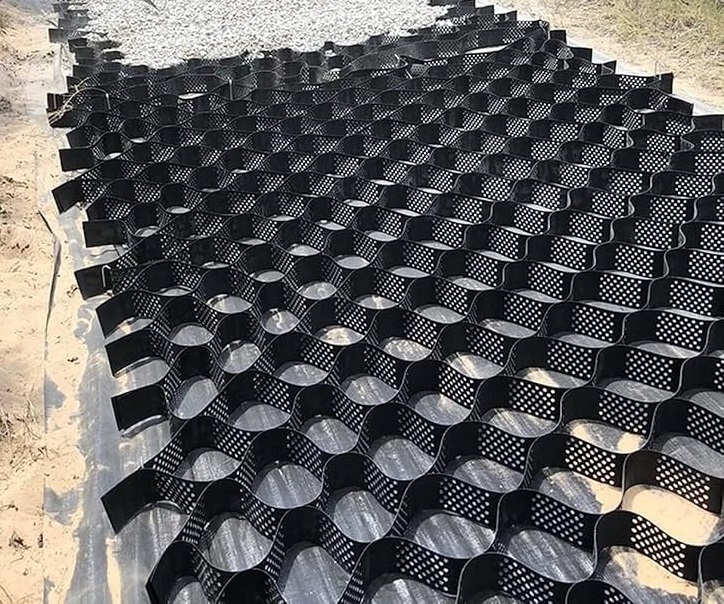
Geogrids are geosynthetic materials primarily used for soil reinforcement in civil engineering projects. They are made of polymeric materials such as polyester, polyethylene, or polypropylene, and have an open, grid-like structure with large apertures. This unique design allows soil or aggregate to interlock with the grid, enhancing the stability and load-bearing capacity of the ground.
Types of Geogrids:
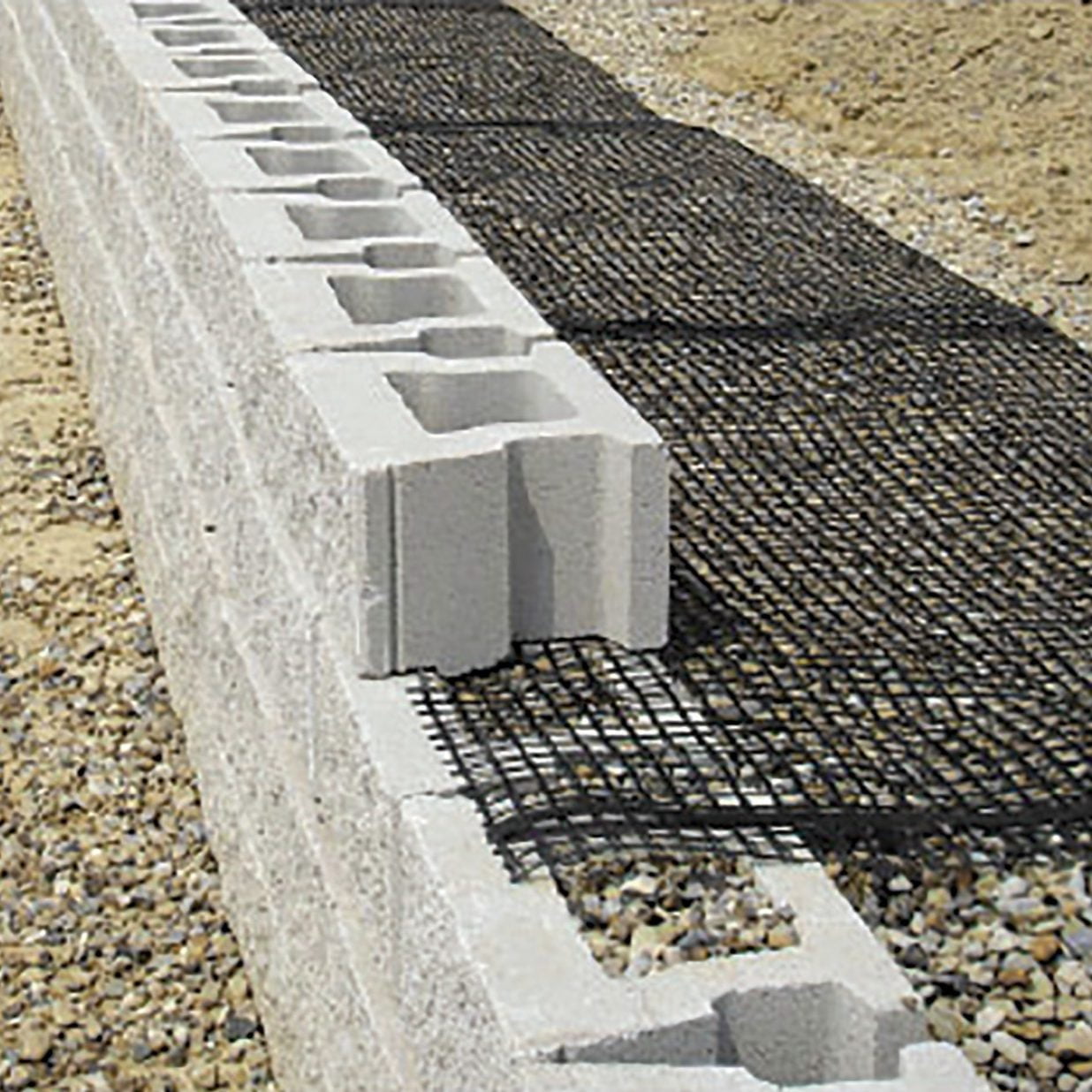
- Uniaxial Geogrids: Designed to provide strength in one direction (usually the longitudinal direction). These geogrids are commonly used in retaining walls, embankments, and slopes where reinforcement in a single direction is needed.
- Biaxial Geogrids: Provide strength in both the longitudinal and transverse directions, making them ideal for stabilizing roads, parking lots, and other areas requiring multidirectional support.
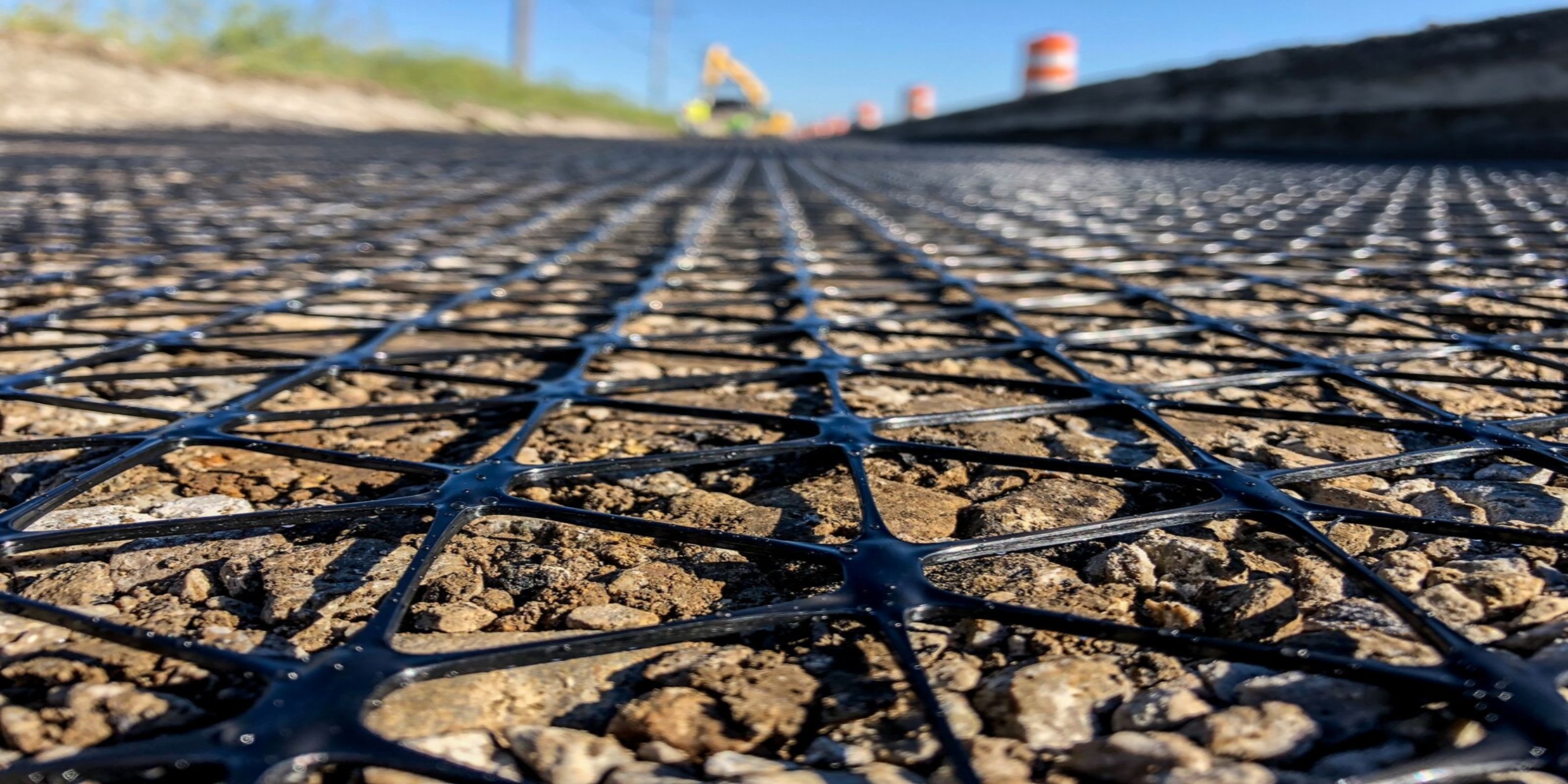
- Triaxial Geogrids: A more advanced version that distributes loads in multiple directions. They offer superior performance for applications like road construction, as they handle stress more efficiently.
Key Functions:
- Reinforcement: Geogrids strengthen weak soils by distributing loads more evenly across a larger area, reducing the risk of settlement or failure.
- Stabilization: They improve the stability of structures like roads, retaining walls, and slopes by interlocking with the soil or aggregate, creating a mechanically stabilized earth system.
- Erosion Control: Geogrids help reduce soil erosion, particularly on slopes and embankments, by holding the soil in place and preventing movement.
- Load Distribution: By spreading the load over a larger area, geogrids reduce stress on the subgrade or foundation, which can extend the life of structures.
Common Applications:
- Road and Pavement Construction: Geogrids are used to reinforce the subgrade and base layers, improving the bearing capacity of the soil and reducing the thickness of the required aggregate layers.
- Retaining Walls: In mechanically stabilized earth (MSE) retaining walls, geogrids are placed between soil layers to provide additional strength and support to the structure.
- Embankments and Slopes: Geogrids stabilize embankments and steep slopes by reinforcing the soil and preventing landslides or erosion.
- Railway Construction: Geogrids are used to reinforce the railway track bed, enhancing stability and reducing settlement under heavy loads.
- Landfills: Geogrids provide support in landfill capping and liner systems, helping to maintain the structural integrity of the landfill.
Advantages:
- Improved Soil Strength: Geogrids enhance the structural integrity of weak soils, allowing for safer and more stable construction.
- Cost Efficiency: By improving load distribution and reducing the amount of aggregate required, geogrids can reduce overall construction costs.
- Increased Lifespan of Structures: Geogrids help extend the life of roads, retaining walls, and other structures by preventing soil movement and reducing settlement.
- Eco-Friendly: Geogrids allow for the use of local or recycled materials in construction, reducing the need for imported aggregates and lowering environmental impact.
Conclusion:
Geogrids are essential materials in modern construction and civil engineering, providing reinforcement and stabilization for a wide range of applications. Their ability to improve soil performance, control erosion, and distribute loads makes them indispensable in building long-lasting, cost-effective infrastructure.
Geocomposites
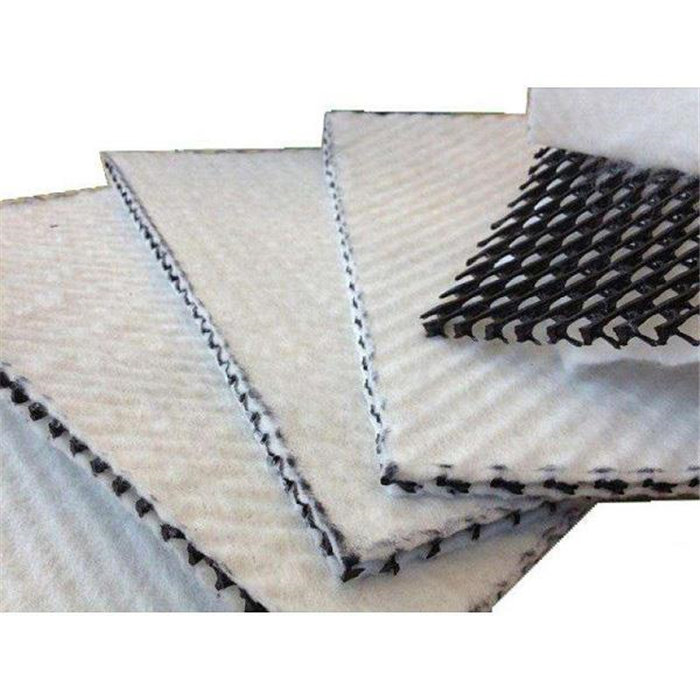
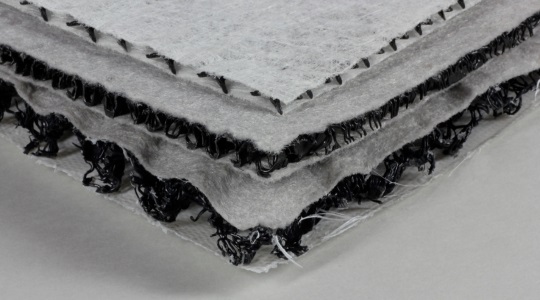
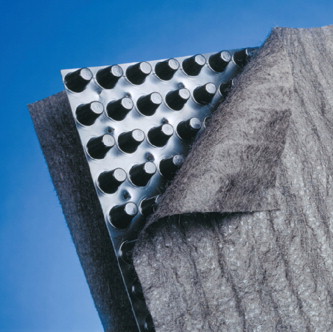
Geocomposites are engineered materials made by combining two or more different types of geosynthetics, such as geotextiles, geomembranes, geogrids, or drainage nets, to create a single product that offers enhanced performance in civil engineering applications. They are designed to perform multiple functions like separation, filtration, drainage, reinforcement, and protection within one integrated system, making them versatile and highly efficient in construction and environmental projects.
Common Types of Geocomposites:
- Geotextile-Geonet Composites: These are typically used for drainage purposes. The geotextile acts as a filter, while the geonet provides a pathway for water or gases to flow. These are commonly used in landfill drainage and road construction.
- Geotextile-Geomembrane Composites: In these geocomposites, a geomembrane is used for impermeability (to contain fluids or gases), while the geotextile provides protection or filtration. These are often used in waterproofing applications, like landfills, reservoirs, or tunnels.
- Geogrid-Geotextile Composites: These combine the reinforcing properties of geogrids with the separation and filtration capabilities of geotextiles. They are ideal for stabilizing soft soils in roads and embankments.
- Geosynthetic Clay Liners (GCLs): Made by sandwiching a layer of bentonite clay between two layers of geotextile or geomembrane. GCLs are used as an impermeable barrier in landfills, ponds, and environmental containment applications.
- Geotextile-Geopipe Composites: These systems include geotextiles around drainage pipes to improve drainage and filtration in subsurface applications like retaining walls or foundation drainage.
Key Functions:
- Drainage: Geocomposites with geotextile and geonet layers are often used for liquid or gas drainage, such as in landfills or beneath roads and railways, ensuring proper water management.
- Filtration: Geotextiles in the composite act as filters, preventing the movement of soil particles while allowing water to pass through, making geocomposites ideal for drainage and erosion control applications.
- Reinforcement: In some geocomposites, geogrids are combined with other materials to strengthen and stabilize weak soils, improving their load-bearing capacity.
- Separation: By combining geotextiles with other materials, geocomposites prevent different layers of soil or aggregate from mixing, which is crucial in roadway and railway construction.
- Impermeability: Geocomposites incorporating geomembranes provide an impermeable barrier to prevent the passage of fluids or gases, often used in environmental containment systems like landfills and reservoirs.
Common Applications:
- Landfills: Geocomposites are extensively used in landfill lining and capping systems, providing drainage, filtration, and impermeability to prevent contamination of the surrounding environment.
- Road Construction: They are used to reinforce roadbeds, prevent soil contamination, and improve drainage in both highways and railways.
- Slope and Embankment Stabilization: Geocomposites enhance the stability of slopes and embankments, reducing the risk of landslides or soil erosion by combining reinforcement and drainage functions.
- Tunnel and Reservoir Waterproofing: Geocomposites, particularly geotextile-geomembrane composites, are used in tunnel linings and reservoirs to ensure waterproofing and prevent water infiltration.
- Subsurface Drainage: In construction projects such as retaining walls or foundations, geocomposites help manage water flow and protect the integrity of structures by providing efficient drainage systems.
Advantages:
- Multifunctionality: Geocomposites combine multiple geosynthetic functions (e.g., drainage, filtration, reinforcement) into a single product, simplifying installation and reducing costs.
- Cost Efficiency: They reduce the need for multiple layers of materials, saving on material and labor costs, and often enhance the performance of the construction or environmental project.
- Improved Performance: By combining the strengths of different materials, geocomposites provide superior performance compared to using single-layer geosynthetics.
- Customization: Geocomposites can be tailored to specific project needs, making them highly versatile for various applications and soil conditions.
Conclusion:
Geocomposites are highly effective, multifunctional materials in civil engineering, providing solutions for a variety of challenges such as drainage, reinforcement, filtration, and impermeability. Their versatility and cost-effectiveness make them an essential component in modern infrastructure projects, especially in challenging environments like landfills, roadways, and steep slopes.
- For all your development projects, we can supply you with a variety of:
- HDPE geomembranes (black, green, smooth, textured…),
- Geotextiles (woven, non-woven, knitted…),
- Geogrids (uniaxial, biaxial, triaxial…), and
- Geocomposites (drainage, filtration, reinforcement, separation, impermeability…).